The Future of Dementia Care in Toronto: Innovations Supporting People With Disabilities
Toronto is changing the way families experience memory support. Across the city, new technology, community programs, and home-based care models are helping older adults live with more safety and independence. Many families exploring dementia care services in Toronto now expect more than basic supervision. They want flexible support that fits daily routines, respects culture and language, and allows loved ones to stay connected to their neighbourhoods.
If you live in Toronto, you’ve probably noticed how quickly care options are evolving. From smart safety tools in North York condos to dementia-friendly community programs in Scarborough and Etobicoke, innovation is shaping how support looks today—and how it will look tomorrow.
This article explores what that future means for families across the GTA and how new solutions are improving quality of life for people living with dementia and other disabilities.
Why Dementia Care Needs Innovation in a Growing City Like Toronto
Toronto’s population is aging fast. More residents are choosing to remain in their homes longer, even after memory changes begin. That shift is creating demand for services that support independence rather than replacing it.
Families today often balance work, childcare, and caregiving at the same time. Without flexible support systems, that pressure becomes overwhelming. Innovation helps close the gap.
Several factors are driving change in dementia care across Toronto:
- More people choosing aging-in-place over long-term care
- Increased awareness of early dementia symptoms
- Cultural diversity requiring personalized care approaches
- Rising caregiver burnout across the GTA
- Strong investment in community-based health programs
Toronto’s healthcare network, including hospitals, memory clinics, and community agencies, continues to expand partnerships that improve access to coordinated dementia care.
Assistive Technologies Transforming Dementia Care in Toronto Homes
Technology is making it easier for people living with dementia to remain safely at home. Many families across neighbourhoods like Midtown, East York, and Mississauga are already using these tools as part of daily routines.
These solutions reduce risk while preserving independence.
Smart Home Monitoring Systems
Smart monitoring systems help caregivers stay informed without constant supervision. These tools are especially useful for families supporting loved ones who live alone.
Common examples include:
- motion sensors that detect unusual activity patterns
- automatic stove shut-off systems
- fall-detection alerts
- nighttime movement tracking
- door exit notifications
These systems allow caregivers to respond quickly if something changes while still respecting privacy.
GPS Tracking and Wearable Safety Devices
Toronto is a busy city with transit hubs, parks, and large shopping areas. Wandering is a serious concern for families supporting someone with dementia.
Wearable GPS tools provide:
- real-time location updates
- safe-zone alerts
- emergency contact notifications
- faster response during missing-person situations
Programs connected to local police and community safety networks also help families respond more confidently if a loved one becomes disoriented outside the home.
Medication Reminder Technologies
Medication schedules can become difficult to manage as dementia progresses. Automated reminder systems reduce missed doses and prevent confusion.
Families across Toronto often use:
- voice reminder devices
- automated pill dispensers
- smartphone caregiver alerts
- digital medication tracking platforms
These tools help prevent hospital visits caused by medication errors.
AI, Robotics, and Virtual Reality in Dementia Support
Toronto is home to leading research hospitals and innovation centres exploring new dementia care solutions. Some technologies already being tested locally are changing how support looks at home and in community programs.
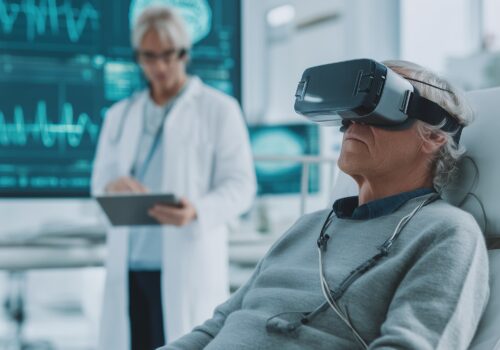
Virtual Reality Therapy for Memory Stimulation
Virtual reality therapy helps people reconnect with familiar places and memories. Some Toronto programs now use VR to simulate environments such as neighbourhood streets, parks, or cultural landmarks.
This approach can:
- reduce anxiety
- improve mood
- encourage conversation
- support memory recall
Families often notice increased engagement after sessions.
Companion Robots Supporting Daily Interaction
Social isolation affects many people living with dementia, especially during winter months when travel becomes harder.
Companion robots can:
- provide reminders
- encourage routines
- support conversation
- reduce loneliness
- reinforce daily structure
While still emerging, these tools are already being tested in several Ontario care environments.
AI-Driven Cognitive Support Tools
Artificial intelligence is helping caregivers understand behaviour patterns more clearly. Some platforms analyze sleep routines, movement patterns, and activity changes to identify early warning signs of health concerns.
Benefits include:
- earlier medical intervention
- fewer emergency visits
- improved routine planning
- reduced caregiver stress
These tools are expected to become more common across Toronto homes in the coming years.
Inclusive Community Programs Supporting Dementia Care in Toronto
Innovation in dementia care isn’t limited to technology. Toronto is also investing in community-based programs that make neighbourhoods easier to navigate for people living with memory loss.
Dementia-Friendly Neighbourhood Initiatives
Several Toronto districts now participate in dementia-friendly awareness programs that help residents recognize and support individuals experiencing confusion.
These initiatives include:
- clearer public signage
- transit awareness training
- community volunteer support
- safer retail environments
- public education campaigns
Together, these efforts make everyday outings more manageable.
First Responder Dementia Training Programs
Emergency responders across the GTA are receiving specialized dementia training. This helps them respond calmly and effectively when assisting individuals experiencing confusion or distress.
Training focuses on:
- communication techniques
- behaviour recognition
- de-escalation strategies
- safe transportation procedures
Families benefit from faster and more supportive responses during emergencies.
Cultural and Language-Sensitive Care Services
Toronto’s diversity shapes how dementia care is delivered. Many organizations now offer culturally responsive programming that reflects the city’s communities.
Examples include:
- multilingual support workers
- culturally familiar meals
- faith-based programming
- community-specific activity groups
- language-matched caregivers
These services improve comfort and reduce anxiety for many residents.
The Role of Accessible Housing and Smart Design in Dementia Care
Home design plays a major role in safety and independence. Across Toronto, more families are adapting living spaces to support memory challenges.
Simple environmental adjustments can make a big difference.
Common dementia-friendly home improvements include:
- brighter hallway lighting
- colour contrast between walls and floors
- labelled storage areas
- safer bathroom layouts
- clear walking paths
- reduced trip hazards
New condominium developments and retrofit programs are beginning to include accessibility features that support aging residents.
Support Programs for Caregivers in Toronto Are Becoming More Advanced
Caregiver support has changed significantly over the past decade. Families no longer need to manage dementia care alone.
Toronto offers access to:
- caregiver education workshops
- respite care scheduling support
- online coordination platforms
- local caregiver peer groups
- navigation services through memory clinics
These programs help caregivers balance responsibilities while maintaining their own health and wellbeing.
Many families first connect with support networks through community health centres or the Alzheimer Society of Toronto.
How Toronto’s Health System Is Adapting to Future Dementia Needs
Toronto’s healthcare system continues expanding specialized dementia resources. Hospitals, home-care agencies, and research centres are working together more closely than ever before.
Recent improvements include:
- stronger hospital-to-home transition planning
- integrated memory clinic referrals
- expanded community nursing services
- early diagnosis programs
- training for frontline care workers
These partnerships help families move through care decisions more smoothly.
Toronto is also investing in research that explores early detection tools and prevention strategies. Over time, these developments may change how dementia is diagnosed and managed across Ontario.
What Families Should Look for in Modern Dementia Care Services in Toronto
Choosing the right care provider can feel overwhelming. Today’s services vary widely depending on the level of innovation and personalization offered.
Families should look for providers that include:
- safety monitoring technology
- flexible home-care scheduling
- culturally responsive support
- trained dementia specialists
- caregiver communication tools
- individualized care planning
- mobility and accessibility awareness
The right provider should adapt as needs change, not require families to restart the process later.
Comparison of Traditional vs Modern Dementia Care Approaches
| Feature | Traditional Care Model | Modern Toronto Care Model |
| Supervision style | Passive monitoring | Active safety technology integration |
| Care planning | Standardized routines | Personalized support strategies |
| Communication | Limited updates | Real-time caregiver coordination |
| Cultural support | General approach | Language-matched services |
| Home safety | Minimal modifications | Smart-home integration |
| Community access | Restricted outings | Supported independence programs |
This shift reflects how expectations around dementia care are evolving across the GTA.
The Future of Dementia Care in Toronto Is More Connected, Personalized, and Inclusive
Toronto is becoming a leader in adaptive dementia support because families, healthcare providers, and community organizations are working together to improve care experiences. Technology is helping older adults remain in familiar homes longer. Community programs are reducing isolation. Caregiver networks are becoming stronger and easier to access.
For families across neighbourhoods like Scarborough, North York, Etobicoke, and downtown Toronto, these changes mean more choice and more confidence when planning next steps.
The future of dementia care in Toronto isn’t just about managing symptoms. It’s about preserving independence, supporting dignity, and helping people remain connected to the communities they call home.