Breaking Down Barriers Through Innovation
Technology has become a powerful equalizer for people with disabilities. Digital platforms have transformed accessibility globally, with many sectors adapting their interfaces for broader reach — much like how amerikaanse goksite platforms redesigned their systems to accommodate diverse users — demonstrating how technology can bridge gaps across industries.
The transformation happens across all aspects of life. People with mobility challenges can control their environment with voice commands. Those with visual impairments access information through screen readers and haptic feedback. These innovations don’t just add convenience. They restore independence and dignity.
Smart Home Technology for Daily Independence
Smart speakers and home automation systems have revolutionized accessibility. Users can adjust lighting, temperature, and security with simple voice commands. This matters especially for people with limited mobility or dexterity issues.
Popular systems include Amazon Alexa, Google Home, and Apple HomeKit. Each offers customizable routines that automate daily tasks. You can set up morning sequences that open blinds, start coffee makers, and read the news.
Motorized doors eliminate physical barriers in homes. These systems respond to voice commands, smartphone apps, or motion sensors. Installation costs have dropped significantly in recent years.
Windows with automated controls provide ventilation without physical strain. Some models include sensors that close during rain or extreme temperatures.
Communication Aids for Speech and Hearing Challenges
Modern communication tools bridge gaps that once isolated people. Speech-generating devices use text-to-speech technology with natural-sounding voices. Users type or select images that the device converts into speech.
For those with hearing impairments, real-time captioning apps transcribe conversations in real time. Video relay services connect deaf users with interpreters for phone calls. These services run on smartphones, tablets, and computers.
Sign language translation apps are improving rapidly. While not perfect, they help bridge communication gaps in emergencies or unfamiliar situations.
Mobility Solutions Beyond Traditional Wheelchairs
Robotic exoskeletons help people with paralysis stand and walk. These devices wrap around the legs and torso, providing motorized support. Users control movement through weight shifts or handheld controllers.
Current models include:
- ReWalk for spinal cord injury patients.
- Ekso GT for rehabilitation centers.
- Indego for home and community use.
- HAL (Hybrid Assistive Limb) for various conditions.
Price points range from $70,000 to $150,000. Insurance coverage varies by region and condition.
Modern wheelchairs go beyond basic mobility. Smart wheelchairs include obstacle detection, automatic braking, and GPS navigation. Some models climb stairs or elevate users to reach high shelves.
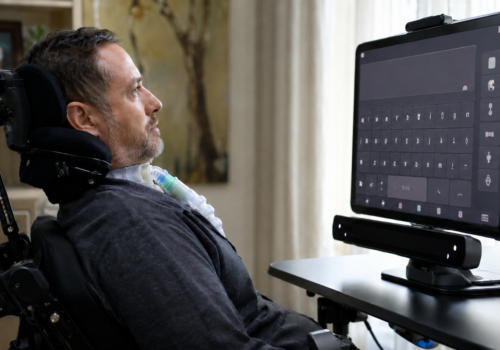
Eye-tracking systems enable users to control wheelchairs by gazing. Brain-computer interfaces are emerging to support people with severe mobility limitations.
Vision Assistance Through Digital Tools
Screen readers convert digital text to speech or Braille output. JAWS, NVDA, and VoiceOver lead the market. These programs work with websites, documents, and applications.
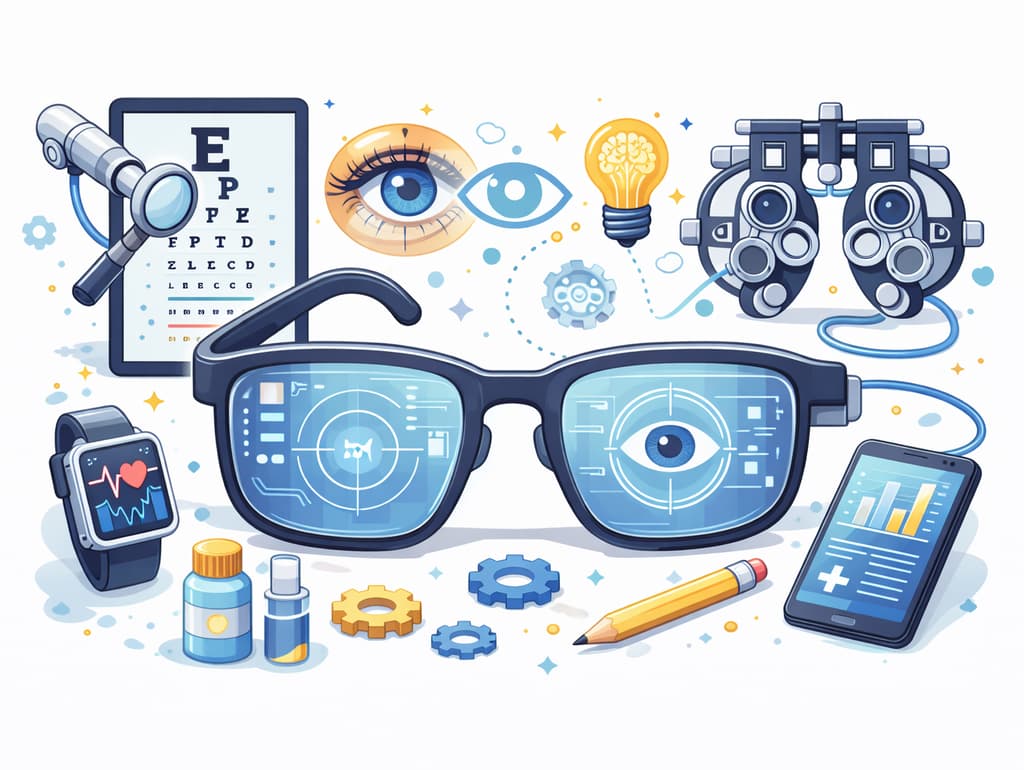
Magnification software enlarges screen content up to 60 times. ZoomText and MAGic combine magnification with speech output. Both integrate seamlessly with Windows and Mac systems.
Smartphone cameras now identify objects, read text, and describe scenes. Be My Eyes connects blind users with sighted volunteers through video calls. Seeing AI from Microsoft provides audio descriptions of surroundings.
Navigation apps offer detailed audio directions for pedestrians. They announce crosswalks, stairs, and points of interest. Some apps work indoors using Bluetooth beacons.
Accessible Technology Comparison
| Technology Type | Primary Benefit | Average Cost Range | Learning Curve |
| Smart Home Systems | Environmental control | $200-$2,000 | Low |
| Screen Readers | Digital access | Free-$1,200 | Medium |
| Powered Wheelchairs | Enhanced mobility | $15,000-$40,000 | Medium |
| Communication Devices | Speech assistance | $500-$12,000 | Low-Medium |
| Exoskeletons | Standing/walking | $70,000-$150,000 | High |
Educational and Employment Tools
Assistive technology removes barriers in schools and workplaces. Text-to-speech software helps students with dyslexia process written material. Speech recognition programs enable hands-free typing.
Ergonomic keyboards and alternative input devices accommodate various physical needs. Some workers use foot pedals, head pointers, or sip-and-puff controllers. Digital accessibility standards require websites and software to support assistive tools.
Remote work technology has opened new employment opportunities. Video conferencing with captions and screen sharing makes collaboration easier. Cloud-based systems allow flexible work arrangements.
Final Thoughts
The future holds even more promise. Artificial intelligence will make assistive technology smarter and more intuitive. Brain-computer interfaces may eventually allow direct mental control of devices.
Costs continue decreasing as technology matures. More insurance companies now cover assistive devices. Open-source solutions provide free alternatives to expensive commercial products.
What challenges do you face in accessing assistive technology? The gap between available solutions and widespread adoption remains significant. Advocacy and awareness will determine how quickly these tools reach everyone who needs them.